It’s Veterinary Nursing Awareness Month in May, during which the wider vet nursing community and we celebrate our nurses, reflecting on their dedication and the passion required to both train and practise as veterinary nurses.
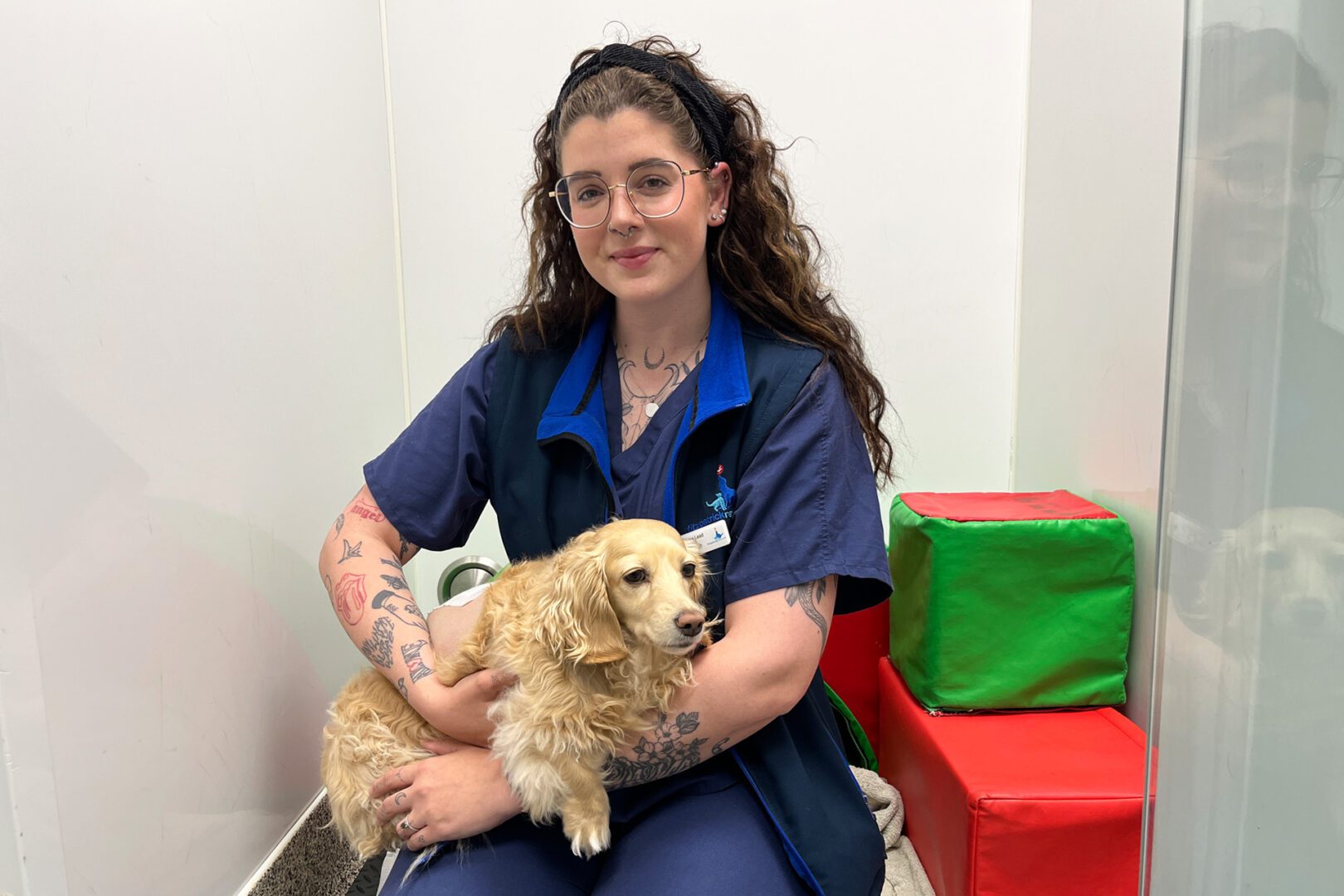
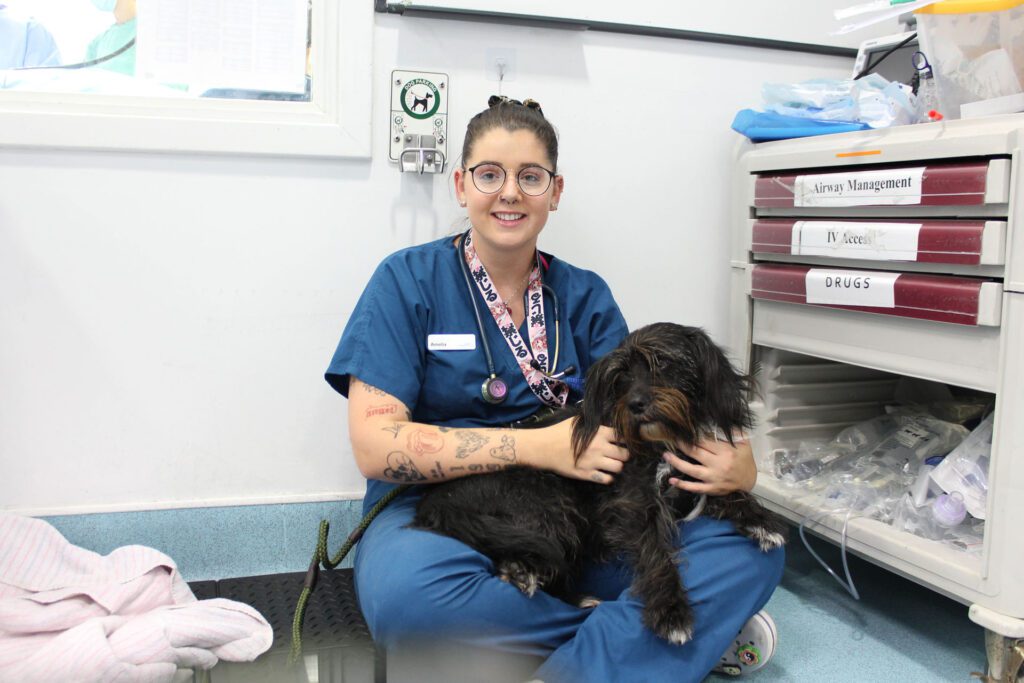
This year’s theme is ‘compassion and empathy’, two values at the heart of all of our team. We caught up with Clinical Nurse Lead Amelia Norman to delve into her experience and approach, both in caring for her patients and her team.
What does Veterinary Nursing Awareness Month mean to you, both as a nurse and as a leader within the team?
As a nurse, Veterinary Nursing Awareness Month (VNAM) means recognition for a role which often works behind the scenes. We are a constant presence in every patient’s journey.
As a leader, Veterinary Nursing Awareness Month gives an opportunity to recognise and champion the team I lead. It is a time to make sure everyone is seen, appreciated and valued for their outstanding contributions. VNAM can also be used to educate others about the role of a veterinary nurse and try to inspire others.
When looking at myself as both an RVN and a leader, VNAM is all about highlighting the importance of veterinary nurses as essential professionals within the veterinary industry.
This year’s theme is ‘compassion and empathy’- what does that look like in your role, not just with patients, but with the team you lead?
In my role, compassion and empathy are not just shown in those big moments; for me, they are built into who I am, so it becomes an everyday part of my role.
My patients cannot advocate for themselves, so to show compassion and empathy to them, I must notice their subtle changes in behaviour. I must at all times minimise stress and treat each patient as an individual, as they are all so different and require different things from me. Small changes I make can make a real difference to their overall experience.
As a leader, compassion and empathy are highlighted with the team. It is about understanding that every single member of the team is going through their own personal journeys. A culture has been created for my team where people feel safe to speak up, and support is given, for example, by checking in after tough cases and being flexible when someone is struggling.
Compassion and empathy really link everything we do together, they mould how we feel, how we communicate and how we lead.
Is there a moment that’s stayed with you where compassion or empathy really shaped the outcome for a patient or their family?
For me, there is one patient who will stay in my heart forever. My team will know exactly who I am talking about. He was a long-term patient here, when he first came to us, he was extremely grumpy, you could not go near him without the muzzle on.
One afternoon at the start of his journey I helped the vet discharge him, mum needed more meds so the vet went to get them. Whilst waiting, I was just chatting to mum and he was in the car with the door open. During this time, he allowed me to stroke him and through me showing him compassion, he trusted me. After that one interaction I was needed whenever he came into the hospital, no muzzle, no heavy sedations just a lot of reassurance from me that it was all going to be okay. This meant a lot to the family, they knew if he was in, I was not going to leave his side. That one interaction where compassion and empathy was shown meant his journey with us was less stressful and a real positive experience. He will stay with me forever.
Your role spans both clinical work and supporting your team – how do you help others deliver compassionate care, even in high-pressure situations?
I try to lead by example, when the day is busy, I remain calm, use clear kind language and try not to rush any interactions. In the moment I try to be present and supportive – I will step in wherever is needed no matter what is going on.
I think reflection is key. Checking in after difficult cases, encouraging open conversations, and normalising those emotional responses helps prevent people from becoming detached or burnt out. It reinforces that compassion isn’t a weakness—it’s part of doing the job well.
Veterinary nursing can be emotionally demanding – how do you look after your own wellbeing, and support your team to do the same?
I look after my own wellbeing by having a positive approach to exercise, as that helps me stay positive and helps get the endorphins flowing before or after work. I also love taking my dog for walk, seeing her so happy makes me feel so much better.
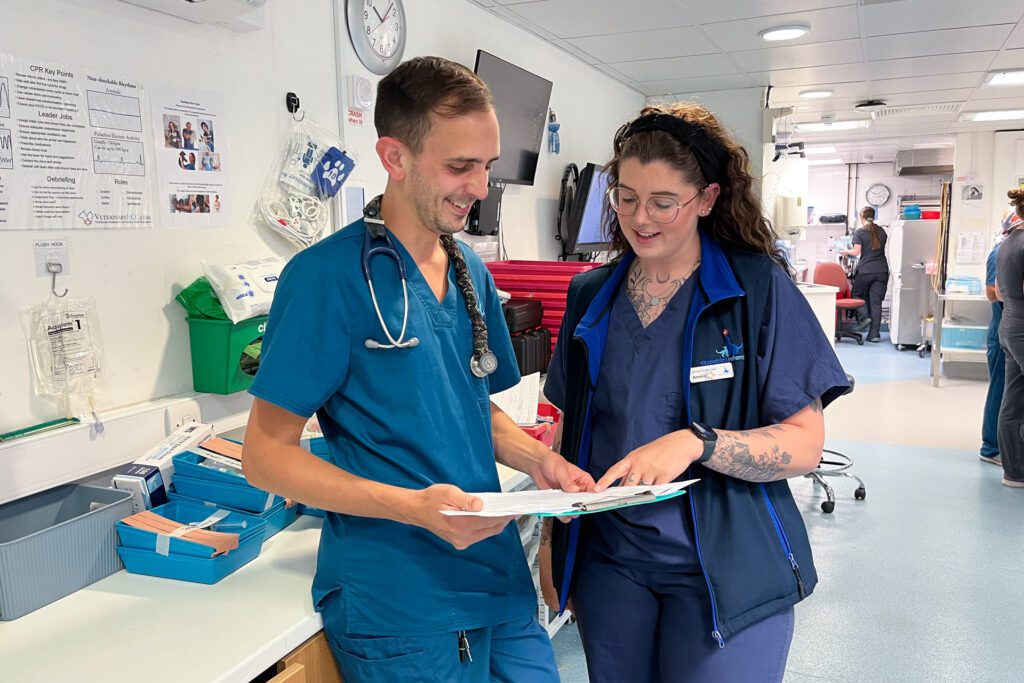
At the practice, we do have an onsite counsellor who helps my team and I recommend they go see her if I can see they may be struggling. I also do regular check-ins with my team and let them know they can talk to me about anything. I have a close relationship with my team and even if I am not at work, I will always try to help. I don’t want to see anyone struggling.
When families are going through difficult moments with their animal friends, what role do veterinary nurses play that people might not always see?
When families go through difficult moments with their animal friends, I think a lot of people don’t realise is that we go through that difficult moment too. We feel their pain, their hurt and their upset. We think about our patients all the time, we don’t forget about them when we go home. If it’s been an especially difficult time, we’ve had nurses stay by patients’ sides for days just to help them through this moment and so that they aren’t alone, and they have a familiar person with them.
What continues to inspire your passion for veterinary nursing and for leading others within the profession?
Doing regular CPD inspires my passion for veterinary nursing. I always try to do something different each year as this helps me find new areas of the role to fall in love with or refresh my knowledge in an area with new studies that have come out. My continued passion for leading others comes from helping the individuals on my team be the best they can be. If I can help them achieve their goals then that’s really inspirational to me, seeing someone do well is highly rewarding.
What’s one thing you wish more people understood about veterinary nurses and the impact they have every day?
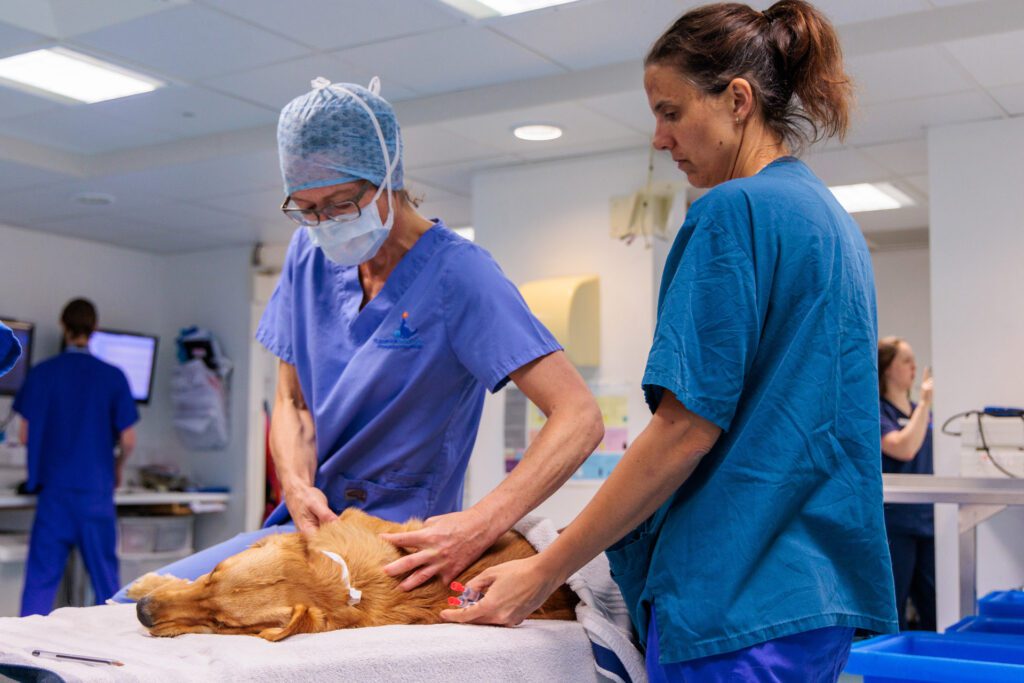
I wish people understood that in every animal’s journey in the hospital, a nurse was always involved too. For example, if your animal friend came in for a blood test, a nurse helped, if they had surgery, we monitored the anaesthetic or scrubbed in to assist, and if they were in hospital, we would be the ones carrying out the plan until they go home. A nurse is there every step of the way, providing so much love, care, compassion and empathy to every animal we meet.
Join our team
See our latest opportunities to join our nursing team.